

The shipping industry is responsible for moving the majority of the world’s goods, making it one of the most important sectors in global trade. At the same time, it faces increasing pressure to reduce its environmental impact and contribute to worldwide climate goals. As governments, businesses, and consumers place greater emphasis on sustainability, the maritime sector is beginning a significant transformation. While the journey toward lower emissions presents challenges, it also creates opportunities for innovation and long-term growth. A low-carbon shipping industry may look very different from today’s operations, with cleaner fuels, smarter technologies, and more sustainable infrastructure shaping the future of global commerce.
Alternative Fuels Become the New Standard
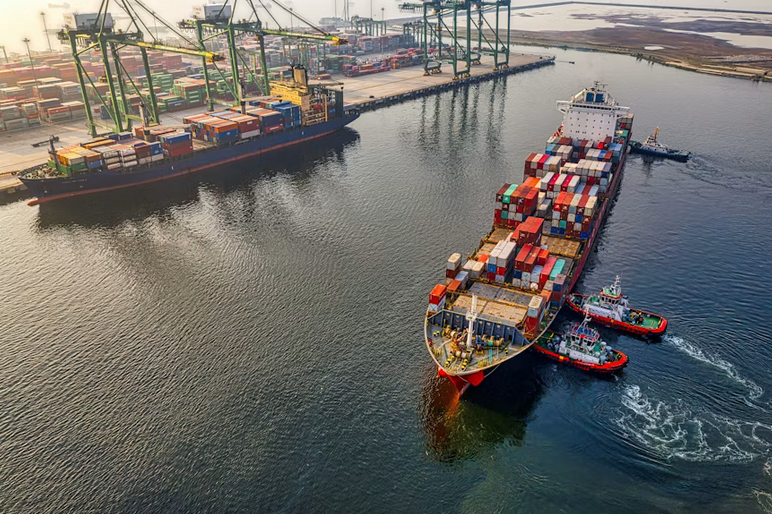
One of the most noticeable changes in the low-carbon shipping industry would be the widespread use of alternative fuels. Traditional marine fuels are expected to be gradually replaced by cleaner options such as green methanol, hydrogen, ammonia, and biofuels. Industry experts discussing the outlook for Dubai’s shipping industry often highlight the growing importance of these fuel alternatives as major ports prepare for a more sustainable future. As production scales up and infrastructure expands, cleaner fuels could become standard across maritime operations worldwide.
Ships Are Designed for Maximum Efficiency
Future vessels are likely to be built with efficiency as a primary objective. Advances in ship design can significantly reduce fuel consumption and emissions. Engineers are already exploring innovative hull shapes, lightweight materials, improved propulsion systems, and wind-assisted technologies. Even small improvements in vessel performance can create substantial environmental benefits when applied across global shipping fleets. These design innovations will help operators reduce costs while meeting increasingly stringent environmental regulations.
Smart Technology Drives Better Decisions

Technology will play a major role in reducing emissions throughout the shipping industry. Advanced software, artificial intelligence, and real-time data analytics can help operators optimize routes, avoid unnecessary delays, and reduce fuel consumption. Smart systems can monitor vessel performance continuously and identify opportunities for improvement. By making operations more efficient, digital tools support both environmental goals and business performance, creating value across the entire supply chain.
Ports Become Green Energy Hubs
Ports will likely play a central role in supporting a low-carbon maritime future. Rather than functioning solely as cargo transfer points, ports may evolve into energy hubs that provide access to cleaner fuels and renewable power sources. Shore power systems could allow vessels to connect to shore power while docked, reducing emissions from onboard engines. Investments in renewable energy infrastructure, charging facilities, and fuel distribution networks will help ports support the next generation of sustainable shipping.
Supply Chains Focus on Sustainability
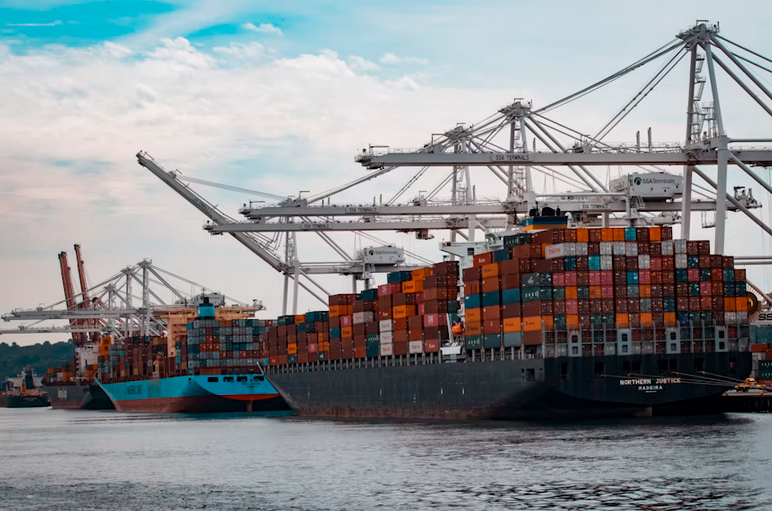
A low-carbon shipping industry would influence the entire supply chain, not just shipping companies themselves. Manufacturers, retailers, logistics providers, and customers are increasingly seeking ways to reduce their environmental footprint. Sustainable shipping practices can become a competitive advantage as businesses prioritize environmentally responsible transportation solutions. Greater collaboration between stakeholders will help create supply chains that are both efficient and environmentally conscious.
Regulations Encourage Industry-Wide Progress
Government policies and international regulations are expected to accelerate the transition toward lower emissions. Environmental standards can encourage investment in cleaner technologies while creating a more level playing field for industry participants. As regulations continue to evolve, shipping companies that embrace sustainability early may be better positioned to adapt and remain competitive. Regulatory frameworks can help drive industry-wide progress by establishing clear goals and expectations.
A low-carbon shipping industry represents more than just a reduction in emissions—it reflects a broader transformation in how global trade operates. Cleaner fuels, efficient vessel designs, smart technologies, sustainable ports, and collaborative supply chains all contribute to a more environmentally responsible future. While the transition will require significant investment and innovation, the benefits extend beyond environmental protection. A cleaner maritime industry has the potential to create stronger, more resilient, and more efficient global trade networks for generations to come.